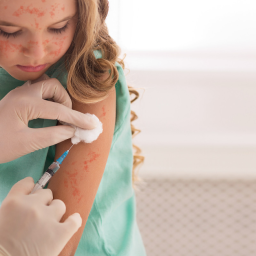
The resurgence of measles across the United States highlights the importance of maintaining high vaccination rates and ensuring patients are protected against this highly contagious disease.
For independent healthcare practices, staying proactive is essential. Identifying gaps in immunization coverage, encouraging timely MMR vaccination, and preparing for potential exposures can help reduce the risk of transmission and protect vulnerable patients.
The measles, mumps, and rubella (MMR) vaccine remains the most effective tool for preventing measles, with two doses providing approximately 97% protection. By reinforcing routine immunization recommendations and addressing missed vaccinations, healthcare providers can play a critical role in preventing outbreaks and protecting their communities.
Five Ways CPP Members Can Prepare
1. Review Patient Immunization Records
Practices can proactively identify patients who may be missing recommended MMR vaccinations.
Consider taking these steps:
- Review electronic health records and immunization registries to identify patients with incomplete MMR vaccination histories.
- Contact families whose children are overdue for recommended doses.
- Review immunization status during well-child visits and other routine appointments.
- Discuss vaccination recommendations with families planning international travel or traveling to areas experiencing outbreaks.
The current CDC guidance for routine MMR vaccination is recommended at ages 12–15 months, with a second dose at ages 4–6 years. Earlier or accelerated vaccination may be recommended for certain patients based on travel or outbreak-related guidance.
2. Evaluate MMR Vaccine Inventory and Ordering Needs
As practices increase outreach and vaccination efforts, maintaining appropriate vaccine inventory becomes especially important.
CPP members should review current MMR vaccine inventory, anticipate potential increases in demand, and monitor expiration dates and storage conditions.
Practices should also evaluate ordering patterns and coordinate with their vaccine suppliers to support timely access to vaccines.
CPP Buying Group can help members navigate vaccine purchasing and management needs through its vaccine management resources and manufacturer partnerships.
3. Prepare Staff to Recognize and Respond to Suspected Cases
Early recognition is essential to reducing the risk of measles exposure within healthcare settings.
Practices should establish or review protocols for patients presenting with symptoms consistent with measles.
Preparedness measures include:
- Encouraging patients with suspected measles to call before arriving.
- Training staff to recognize symptoms and relevant exposure histories.
- Immediately isolating patients with suspected measles and following appropriate airborne precautions.
- Reviewing staff immunity documentation and respiratory protection procedures.
- Promptly contacting local or state public health authorities for testing, reporting, and exposure management guidance.
These measures can help protect healthcare professionals, patients, and families, particularly infants and individuals who cannot receive certain vaccines.
4. Strengthen Patient Education and Communication
Healthcare professionals remain important sources of trusted vaccine information.
Practices can use appointment reminders, patient portals, newsletters, and educational materials to communicate the importance of MMR vaccination.
Consider reinforcing these messages:
- Measles is highly contagious and can cause serious complications.
- Two recommended MMR doses provide strong protection.
- Staying current on vaccinations helps protect vulnerable members of the community.
- Families should contact their healthcare provider with questions about vaccination or possible exposure.
Clear, consistent communication can help families make informed decisions about their health.
5. Stay Informed About Public Health Guidance
Measles outbreaks can evolve quickly, and recommendations may vary depending on local transmission and individual patient risk.
CPP members are encouraged to monitor updates from the Centers for Disease Control and Prevention (CDC), state and local health departments, and professional medical organizations.
Practices should also review their exposure-response procedures, including coordination with public health authorities regarding post-exposure vaccination and other preventive measures.
CPP Buying Group: Your Vaccine Management Partner
At CPP Buying Group, we recognize the important role independent healthcare practices play in disease prevention and community health.
As measles continues to present challenges across the country, having the right resources, vaccine management strategies, and reliable information can help practices remain prepared.
CPP supports its members through vaccine purchasing opportunities, educational resources, and vaccine management tools designed to help healthcare practices manage their immunization programs efficiently.
Prepared practices help protect patients. Together, we can strengthen vaccination efforts and support healthier communities.
Need assistance with vaccine management or purchasing? Contact CPP Buying Group to learn more about available member resources and how we can support your practice.
Additional Resources